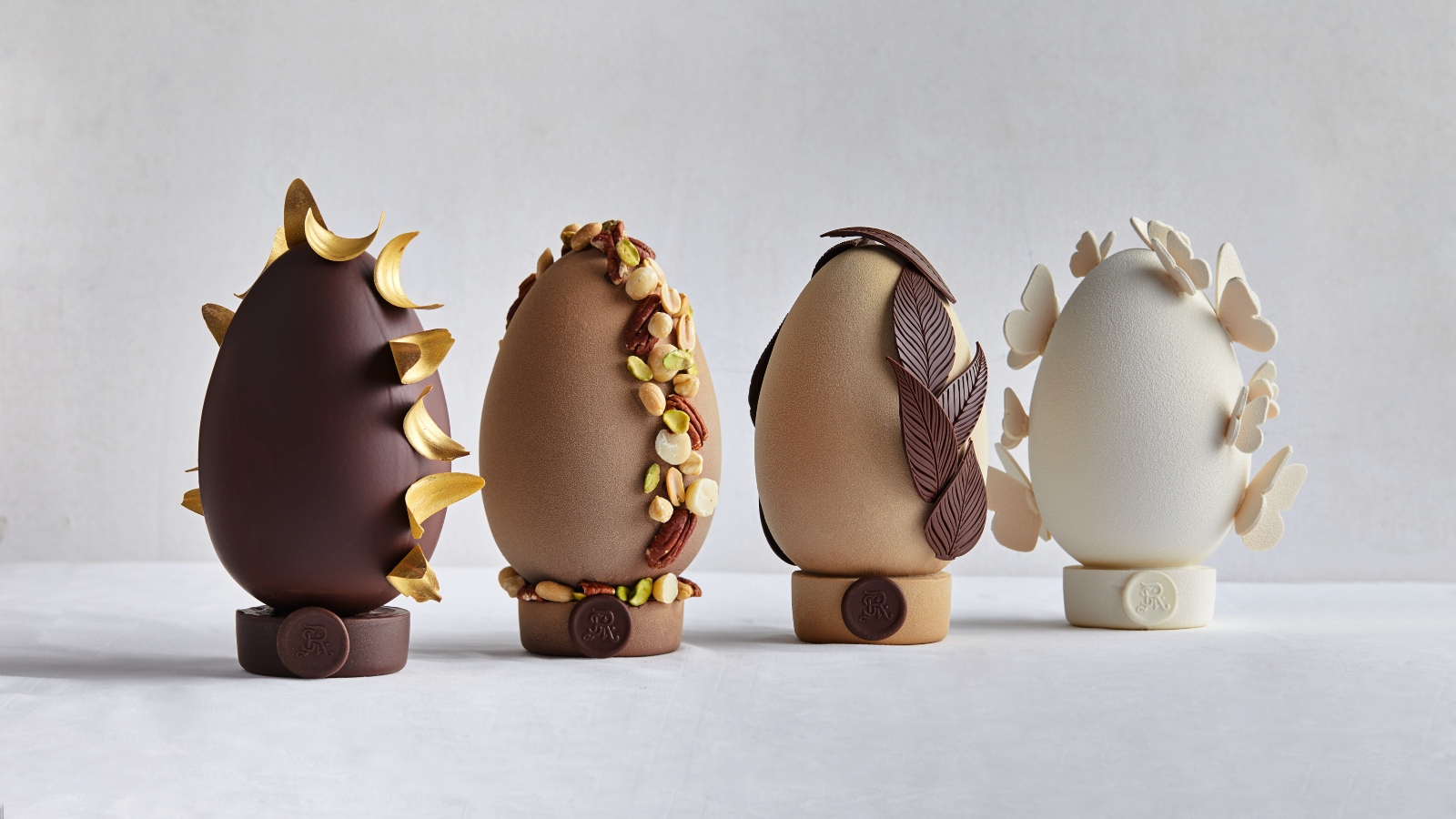
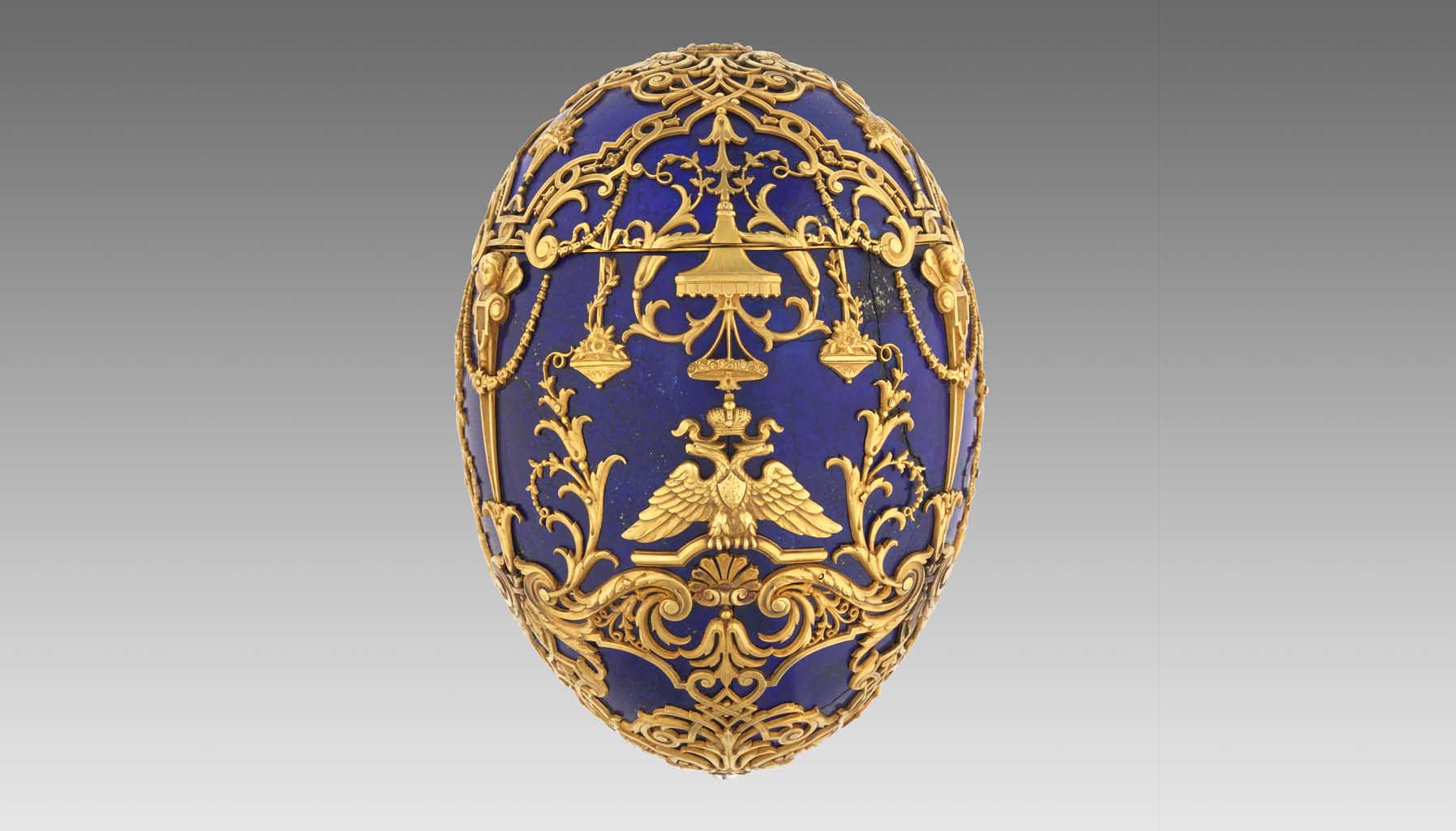
Today is Easter Sunday and since eggs, chocolate or otherwise, are tightly associated with this holiday, we are celebrating the most elite easter eggs of all time – the Imperial Fabergé Eggs created for the Russian Royal Family.
Crafted by Russian jeweller Peter Carl Fabergé for the Russian Tsars from 1885 onwards, each egg is an opulent creation with grandiose elements that befitted the Romanov dynasty. The first was an Easter gift for Tsar Alexander III’s wife, the Empress Maria. The gift so delighted her that it became custom to commission a Fabergé egg every Easter, which resulted in some 50 eggs (the exact number is still debated) created, of which 43 survive today.
The appeal of the Fabergé eggs spread far beyond the Russian Empire’s borders, with private clients like the Rothschilds and the Duchess of Marlborough commissioning pieces. Today, the eggs are spread all over the world, in museums and private collections. Ukrainian-Russian businessman Viktor Vekselberg is the single largest owner of Fabergé eggs, owning fifteen, nine of which are Imperial eggs.
You May Also Like