
Here’s Why You Should Invest In Rare Italian Vintage Cars
Invest In the Gold Age Of Italian Auto
Italian cars are like pasta. Everyone knows the popular shapes of spaghetti and fettuccine, yet there are more than 350 varieties that reward the curious looking for less common fare. Similarly, in addition to high-profile sports cars from Ferrari, Lamborghini and Maserati, there are dozens of Italian marques and coachbuilders that arose between the birth of the automobile and today that remain largely unknown. Most are long defunct; like shooting stars, they lit the landscape with a flash and disappeared. Others started off with fanfare and faded away. A few coachbuilders, like Bertone and Pininfarina, have been recently relaunched. All have stamped a legacy into automotive design that we can see now in the current high-profile Italian marques. Here is our series of Italian vintage cars you should invest in, from a 52 Siata to a 63 Iso. To start things off here is the 1952 Siata.
Read the full series here.
208 Corsa Spider by Bertone
Although Siata (Società Italiana Auto Trasformazioni Accessori) is one of the least-known Italian automakers, its contribution to motorsports during the 1950s was significant.
Amateur race-car driver Giorgio Ambrosini established the Turinese company in 1926 to make performance accessories; Siata didn’t build its first car until 1948. Siata’s most interesting model, the 208S, was made from 1953 to 1955 and used the same engine that powered the Fiat 8V. That 2.0-liter alloy V-8 engine earned a reputation as feisty but fragile: Many failed early on and were swapped out, which explains the number of Siatas powered by American small-block V-8s. The company ran on fumes through the 1960s and was out of business by 1975.
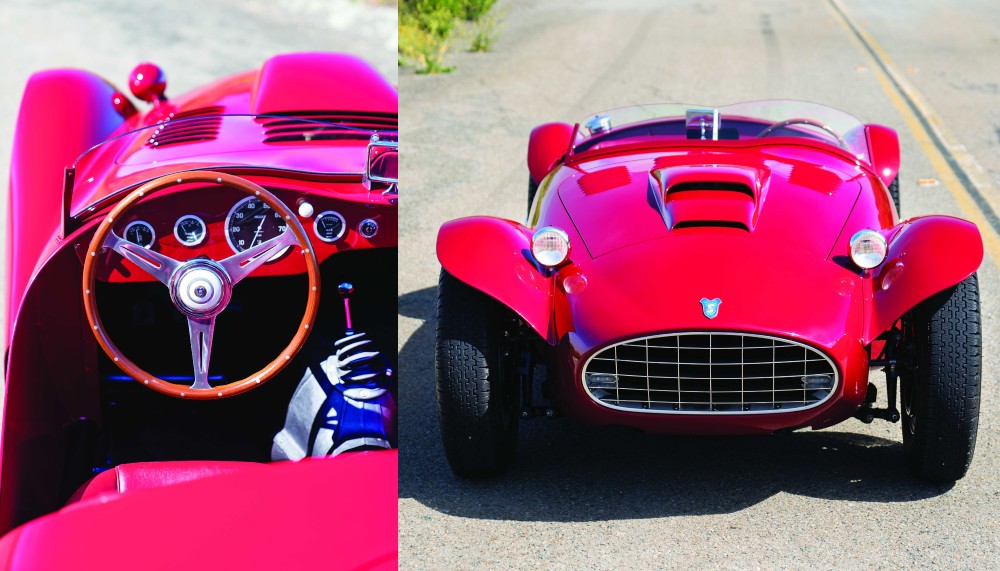
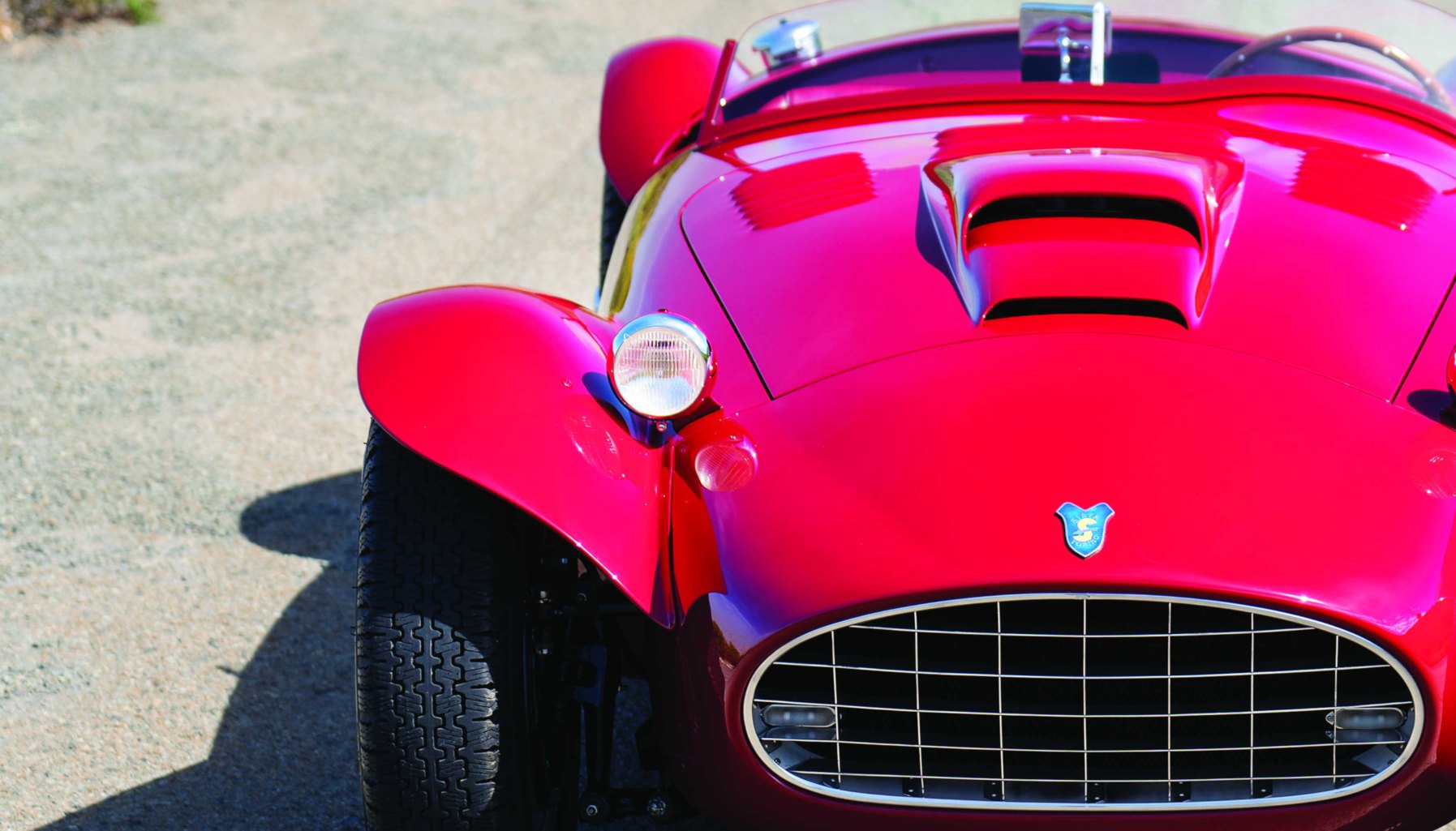
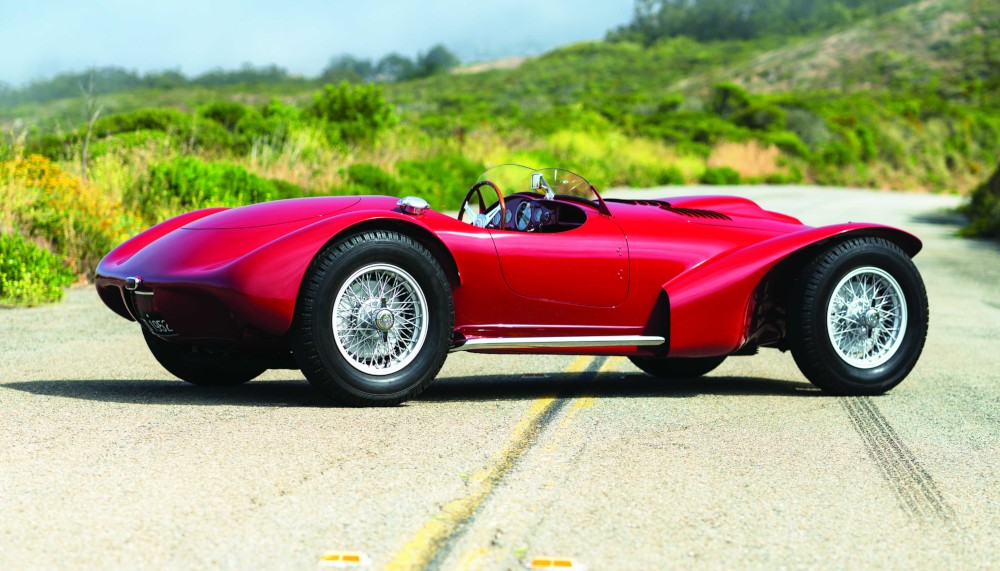
Only 35 of the lightweight 208 Spiders were made, with bodies designed by Giovanni Michelotti and fabricated by Rocco Motto. The unique 208 CS Corsa Spider pictured here is a one-off styled and built by Bertone, whose owner, Nuccio Bertone, raced it in the early 1950s. The muscular shape with outboard fenders recalls a competition car from an earlier era.
You May Also Like