圭 K Redefines Kaiseki Cuisine With A New Concept, Embracing The Local Soul
Every detail at this Japanese restaurant is considered with precision and intent—down to the specific varieties of water chosen for the teas.
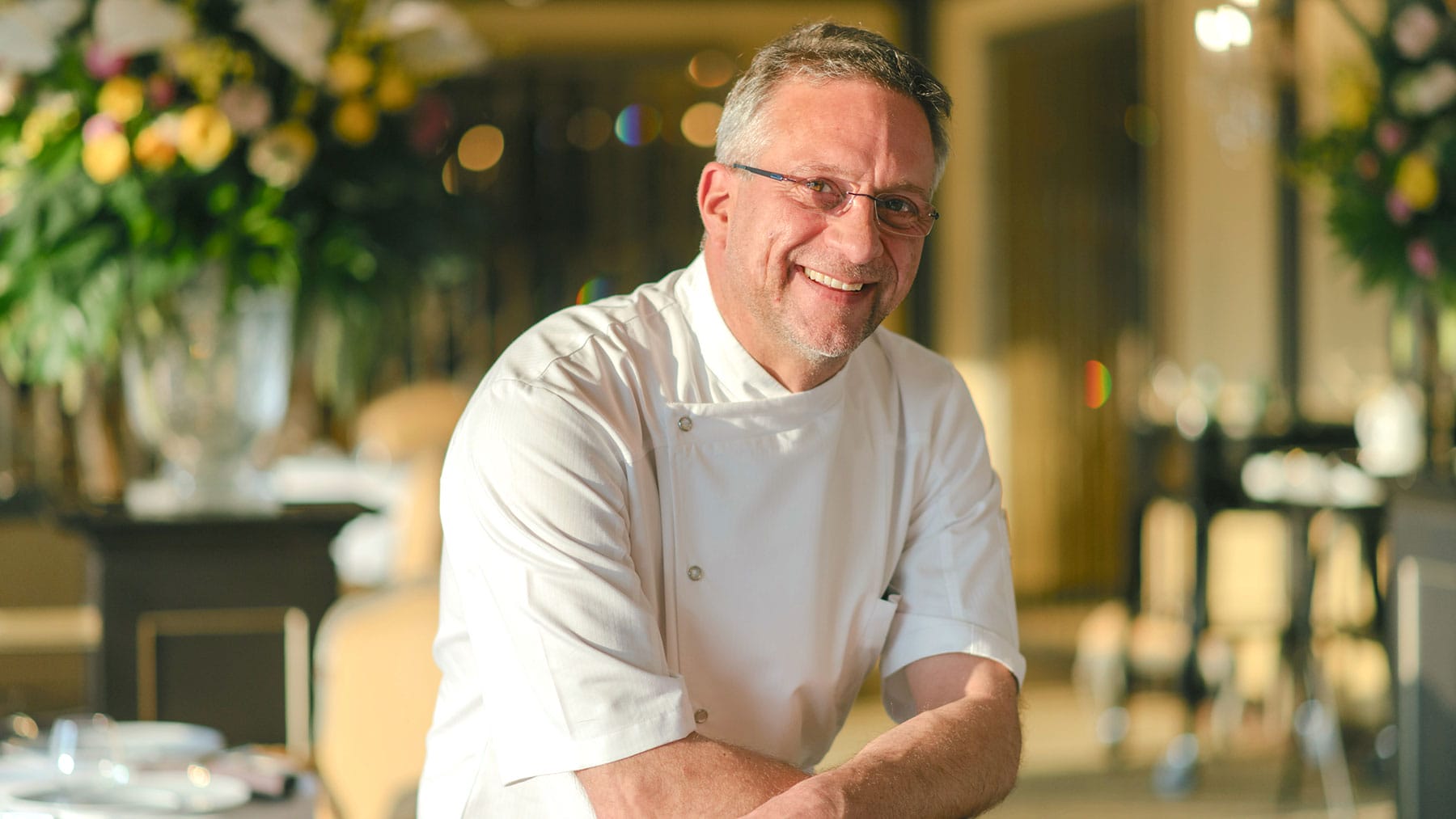
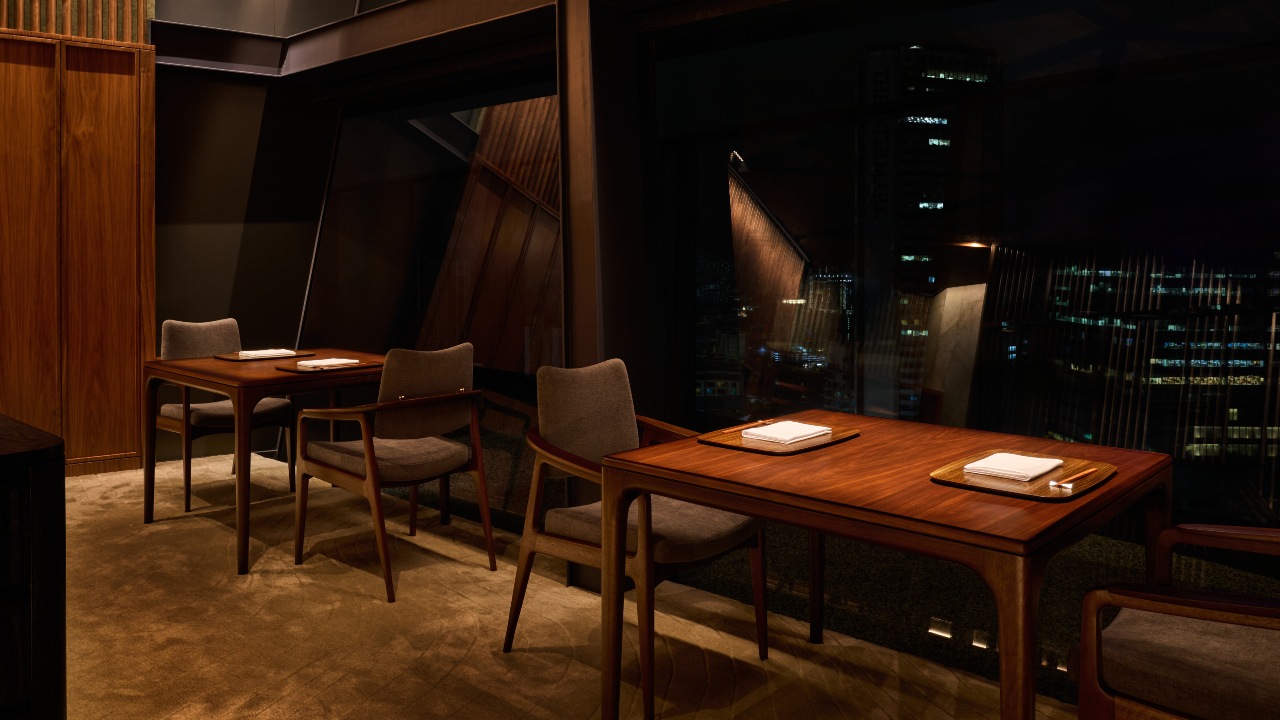
Step into the world of 圭 K, where its delicate aesthetic creates a setting that, at first glance, feels inherently Japanese. At the helm is chef Hidemichi Seki, who draws inspiration from the centuries-old philosophy of kaiseki (懐石) cuisine. But this is not Japan. Nestled within Ilham Tower in the heart of Kuala Lumpur, 圭 K does not seek to honour tradition through mimicry but through reimagination, shaping kaiseki by the rhythm of Malaysia’s own land and flavours.
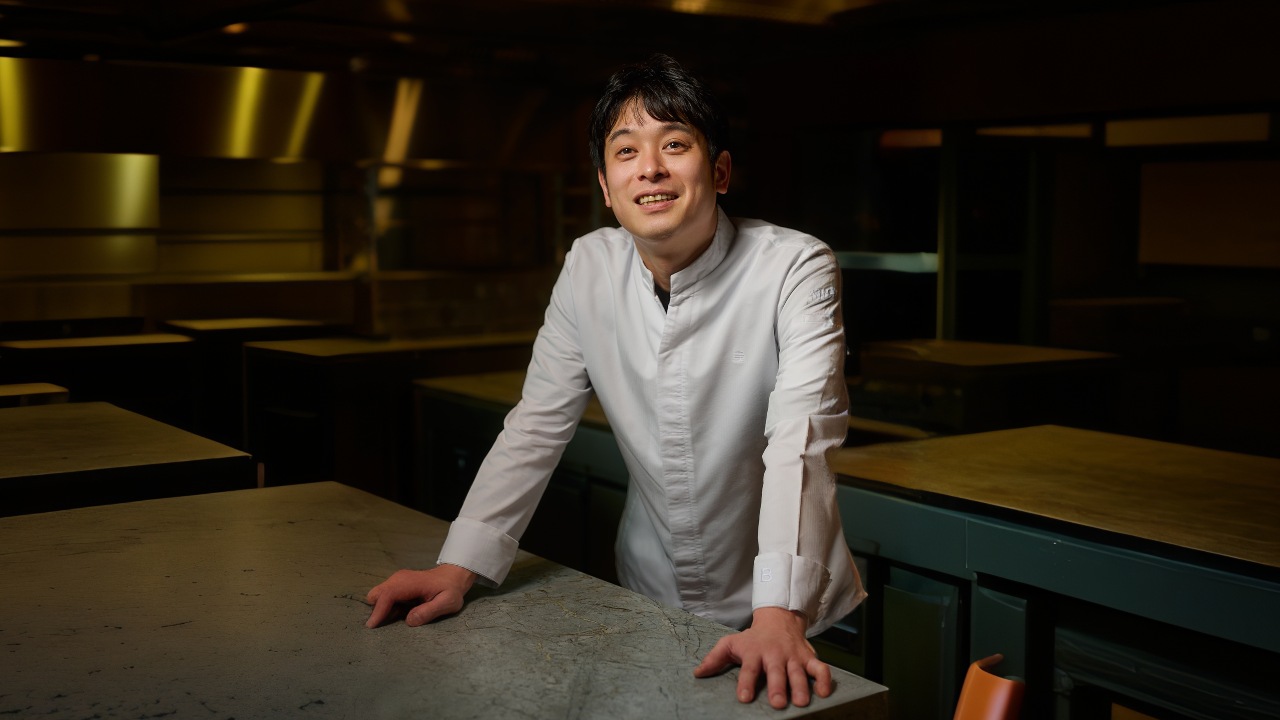 “I want to offer an experience that belongs here, to this land. Malaysia is a country of abundant nature and ingredients,” Seki says. “The higher the quality of ingredients, the more they are exported. But as Kuala Lumpur’s dining scene flourishes, I believe these treasures will become more accessible, and Malaysians will take even greater pride in what their land has to offer.”
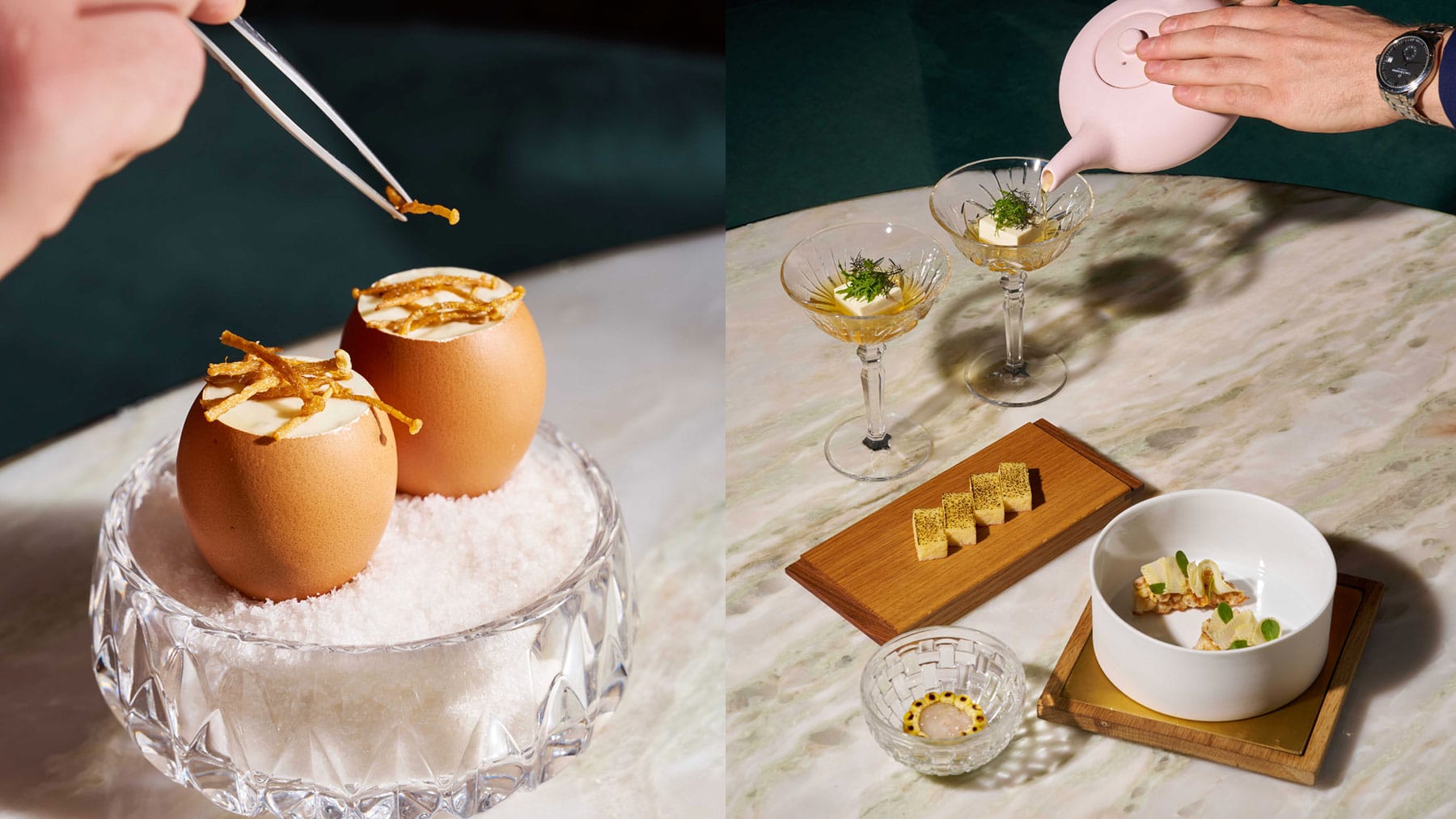
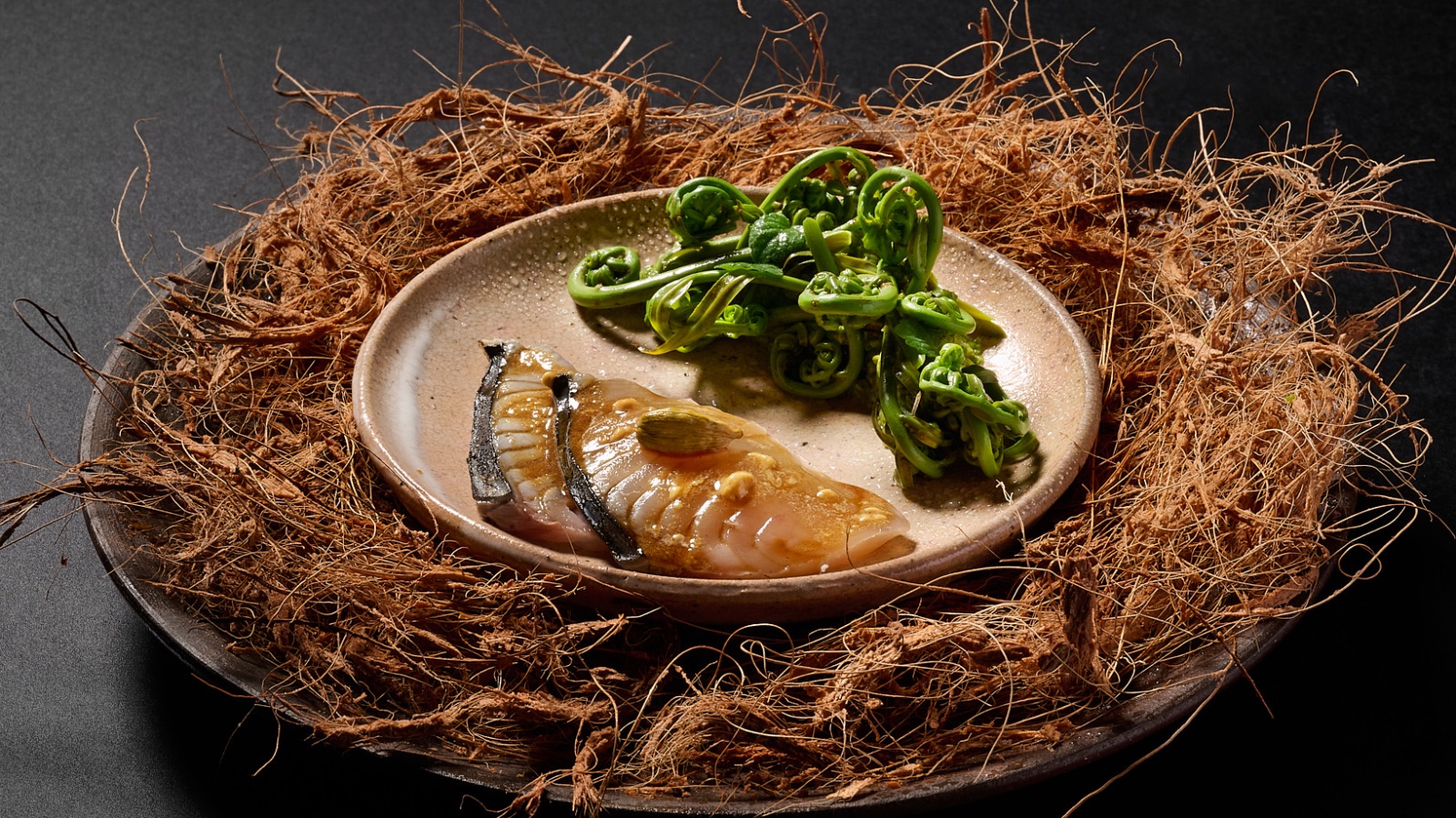
Composed with restraint, the experience is structured as a slow progression of flavours to gently awaken the palate. The Turmeric Buds Porridge sets the opening note—made with Bario rice from Sarawak and a white clam stock base, prepared using a traditional Japanese niebana method. This technique cooks the rice to perfection, bringing its fragrance and texture to their ideal peak. Here, flavour is not constructed but revealed.
With experience in kaiseki kitchens not only across Japan but also as an executive chef in Hong Kong, where Seki earned two Michelin stars, he naturally integrates Chinese influences into his creations. The Guinea Fowl Soup is one that speaks to this interplay—featuring fish maw, bamboo mushrooms, and Taiping Hou Kui tea leaf—and is a nod to classic Chinese banquet soups, prized for their nourishing properties.
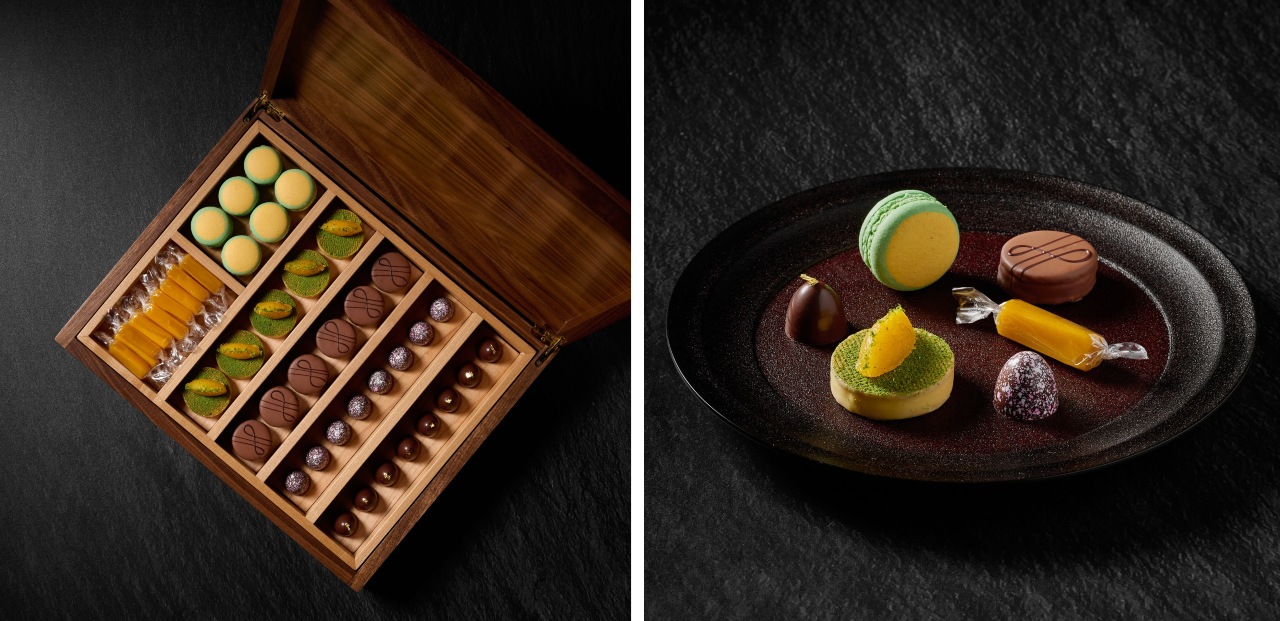
A tea enthusiast at heart, Seki embraces the origins of kaiseki, which began as a humble meal at tea ceremonies. At 圭 K, this tradition comes full circle with a thoughtfully curated tea menu from the regions of China and Japan, and hand-selected by the chef himself. Tea takes the place as an alternative to the usual wine pairing. The Gooseberry Miso Chicken Liver, for example, is complemented by Li Shan tea to heighten its sweetness and lend a smooth finish. Meanwhile, the Patin and Gao Tou Yu Tempura is served with a drink that blends tomato consommé with Lapsang Souchong tea and kaffir lime oil, a refreshing lift to cool and cleanse the palate.
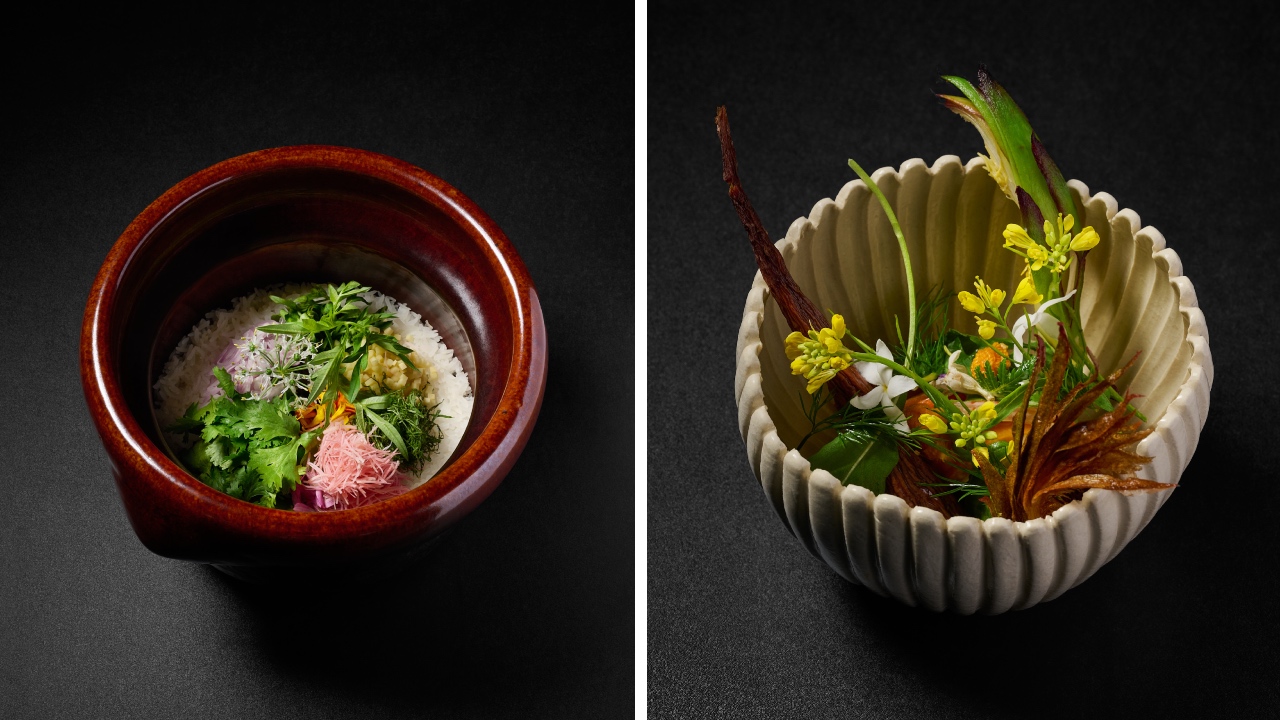
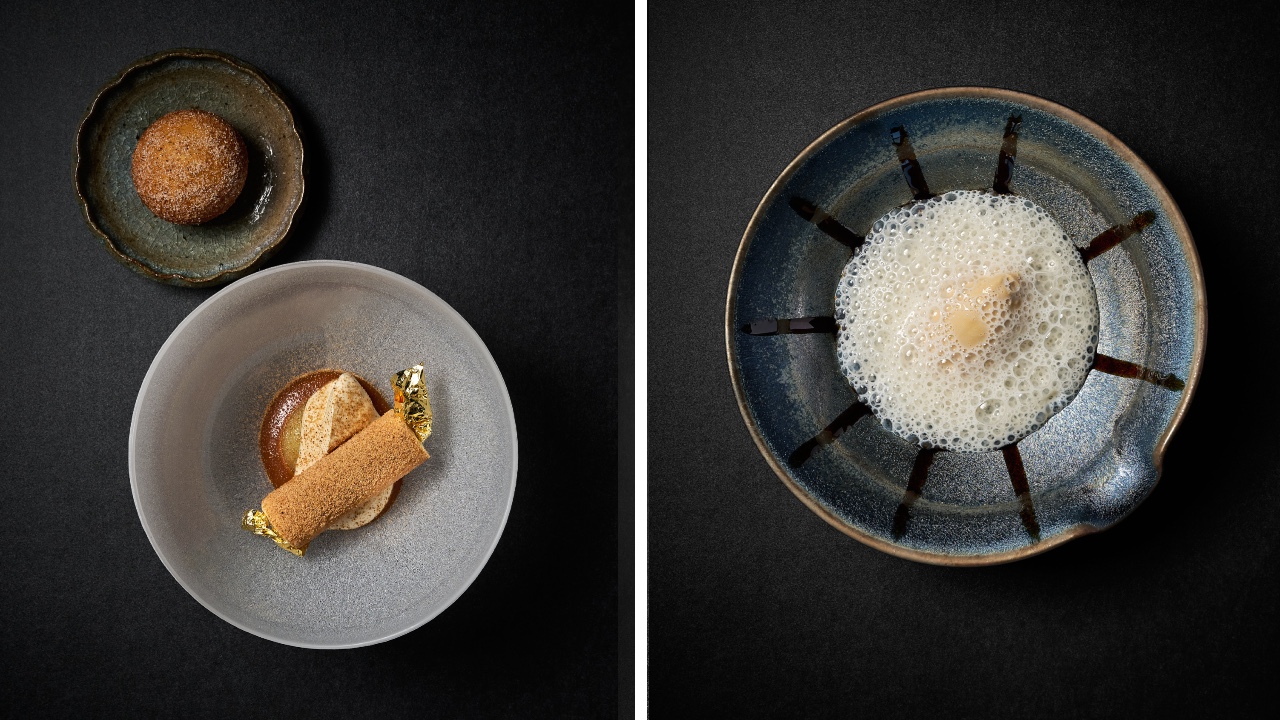
The principles of shun (旬), which celebrates ingredients at their absolute prime, plays a central role in Japanese cuisine, nowhere more so than in kaiseki. 圭 K stays true to this approach, working with a dedicated forager to seek out the finest produce across Malaysia, thus allowing the menu to evolve daily. One such standout is the Cameron Highlands white corn pudding, layered with biodynamic century egg and burnt coconut jelly—a surprising combination that is beautifully executed. Rather than melding into one, each element remains distinct and comes together in perfect complement.
Kaiseki may have its roots in Japan but, here in 圭 K, it’s finding a new expression of its own—one that’s truly worth paying attention to.
You May Also Like