On Panama Hats
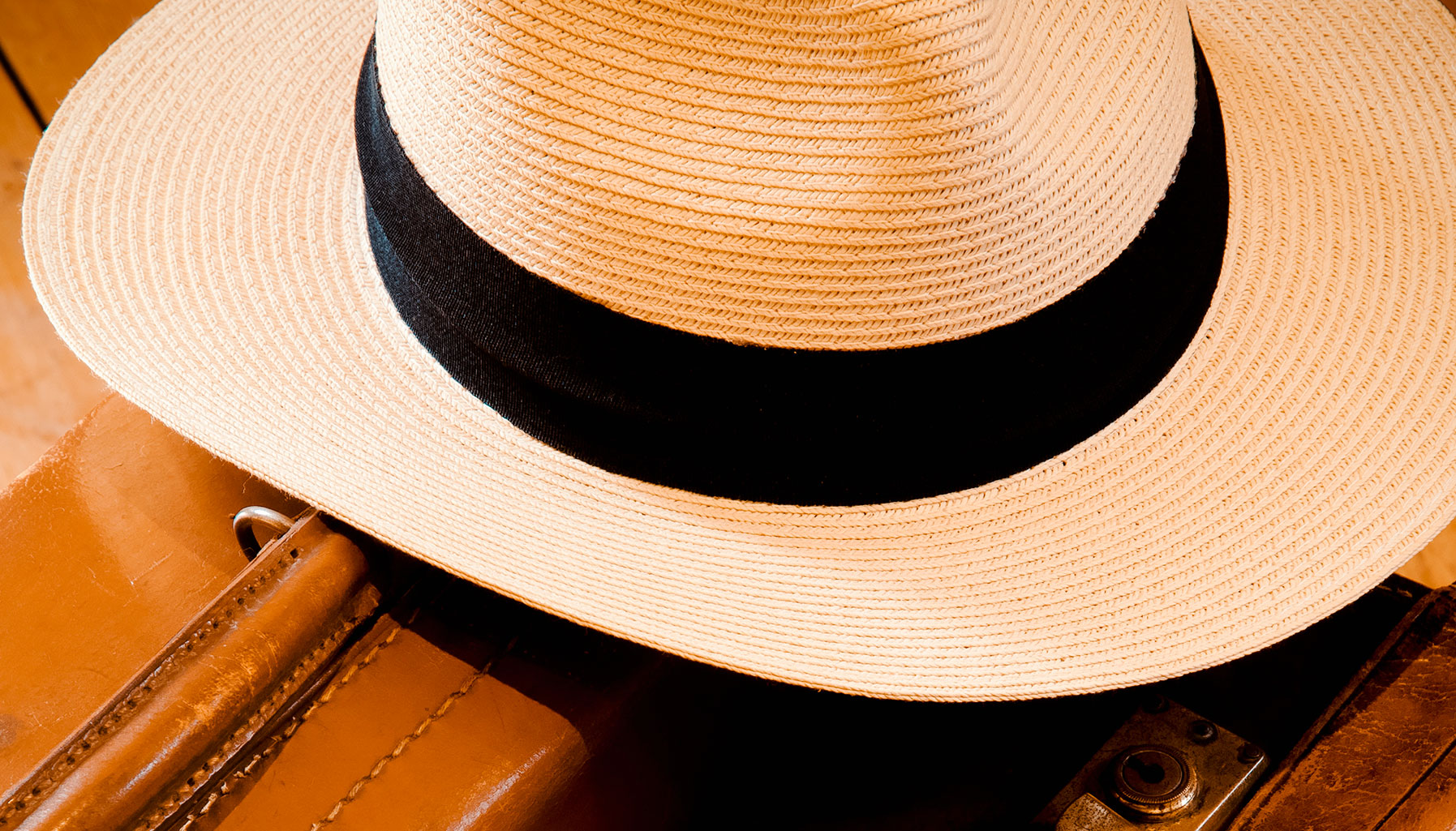
Explaining the modern wardrobe’s most elegant headwear
Call us old fashioned, but the only thing more essential to a Saint-Tropez vacation than private aviation is a jauntily-cocked panama hat. Something, somehow, in that infinitesimally fine straw weave makes your flute of Krug taste ever finer on your lips, and that Riviera sun glint ever lovelier on your waterfront villa.
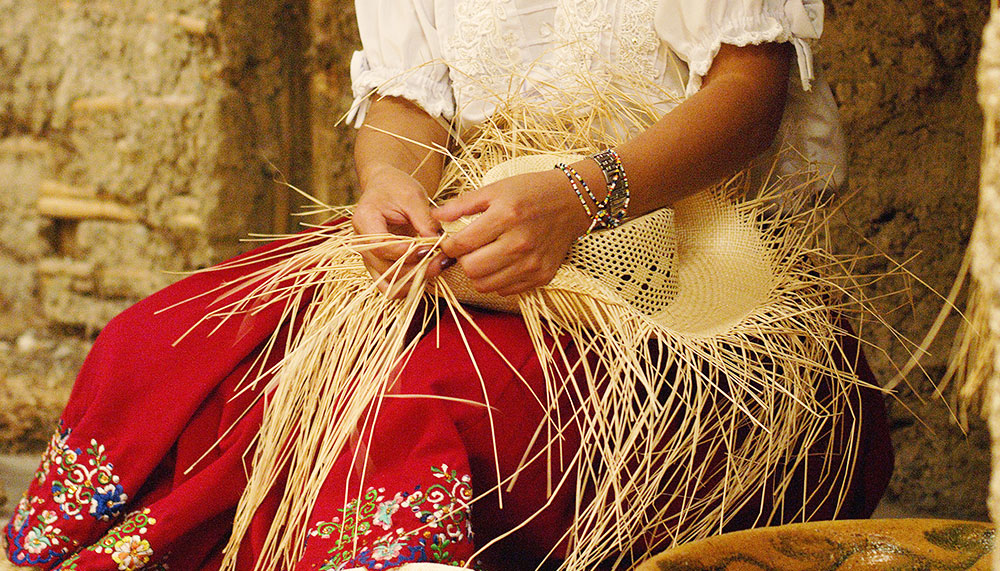
Most confoundingly, the first – and, indeed, finest – panama hats arose not out of the eponymous isthmus, but from the steamy jungles of Ecuador. From Napoleon to JFK, four centuries of stylish travellers have worn the most exquisite hats from the humble town of Montecristi.
Part of the panama’s appeal is its remarkable ease of wear, so much so that our gravest piece of advice – you really can’t go wrong with throwing this hat on, after all – is to never handle it by its peak. Utmost craft is undertaken to weave the delicate curves, and pinching it creases the toquilla straw fibres, ruining the hat at its most prominent, contoured point. The flat brim, instead, is a safe handling area.
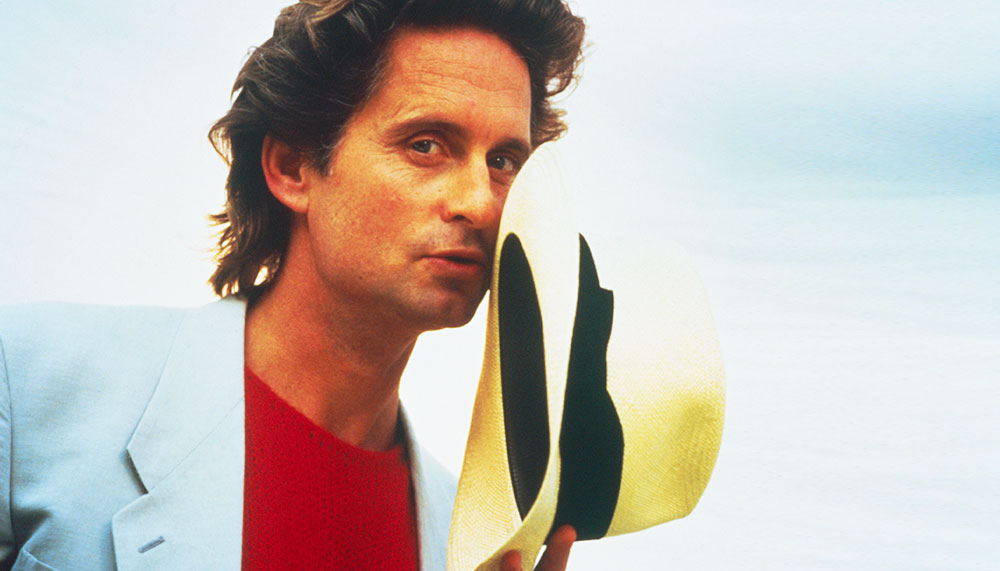
Wearing a panama requires some simple pairing – it is, we believe, best worn with the jewel waters of the Mediterranean and the horizon bobbing up and down in the distance. Also for this reason, the hat looks particularly charming with weekend essentials, such as a crisp white oxford button down, Orlebar Brown shorts, and Tod’s gomminos. The intrepid traveller will find, too, that a cream Irish linen suit and tan spectators – à la Graham Greene at his Continental Saigon best – bring out the hat’s unfussy elegance.
Should one begin to suspect the golden age of travel to be over, he only need look at the panama hat’s commendable comeback. But – let’s be real – this timeless headwear never really went away among the truly stylish jetset. And for that, we tip our hat.
Panama Weave Styles
Brisa
The classic panama weave, single overlapping toquilla straw fibres create a smooth, lightweight textile that is refined enough for leisurely days in the city.
Cuenca
Two straws are laid next to each other in each warp and weft, producing a herringbone pattern that makes up for its weightier hand with more intricate visual texture and variegation.
Llano
The finest style, generally taking a master craftsman at least one week to complete, this is a tightly-woven rhomboidal herringbone characterised by rounded straw surfaces. Of the weaves this is the most flexible, durable, and appropriate for travelling.
You May Also Like